Progress, Perception, and the Reality Behind the Data

Behaviour in English Schools: Progress, Perception, and the Reality Behind the Data

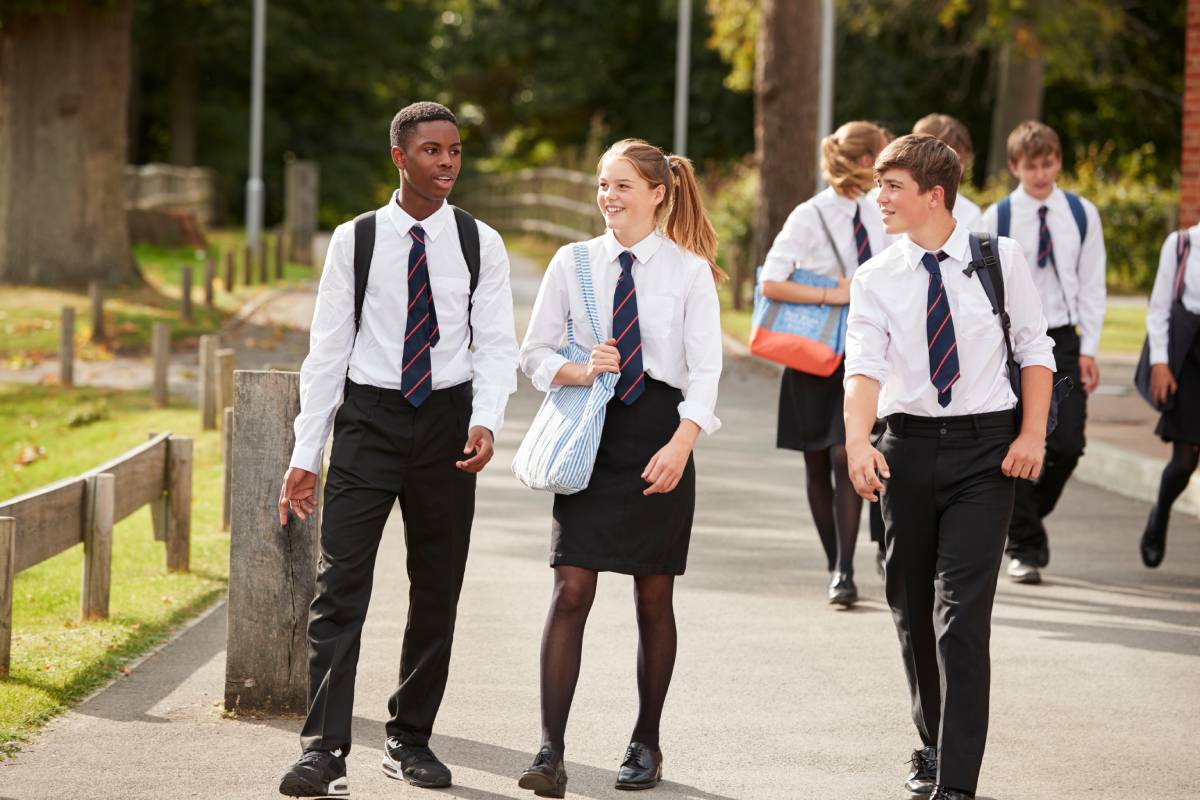
Each year, school leaders, teachers, and parents eagerly scan the national behaviour data, hoping for signs of improvement. This year’s DfE National Behaviour Survey (May 2025) appears to offer encouraging news. Confidence among school leaders has risen, teachers report greater support, and students report feeling safer in school.

But when we look more closely, the picture is far more layered. Behaviour may appear to be improving on paper, but the lived classroom experience is still defined by disruption, inconsistency, and competing perceptions of what “good behaviour” entails in practice.

Read More

Evolving, Not Shrinking

The Reality About Attention Spans: Evolving, Not Shrinking

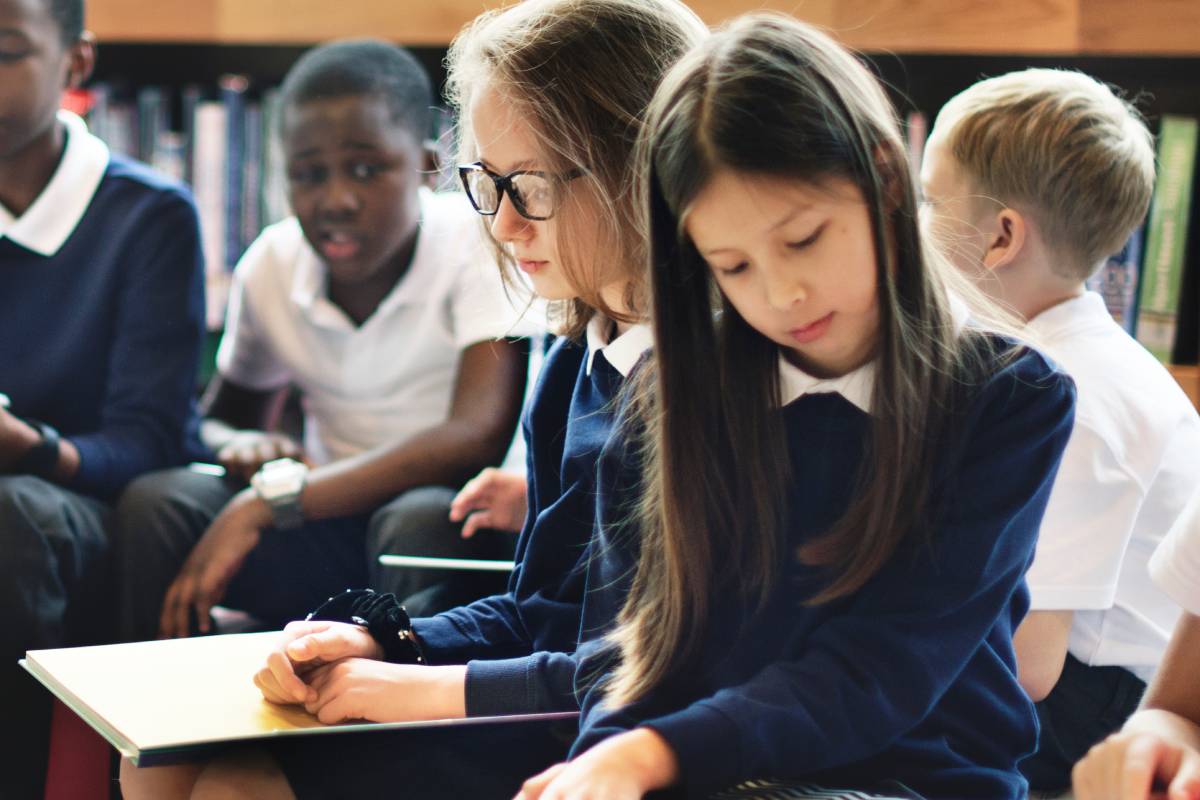
We’ve all heard it: our attention spans are shrinking. Technology, social media and constant notifications are said to be rewiring our brains, leaving us unable to focus for more than a few seconds. But the science tells a more interesting story.

Recent research suggests that attention isn’t disappearing, but it is adapting. Understanding that shift matters for every teacher, parent, and student trying to make sense of modern learning.

Read More

How AI Is Changing Working Memory in Classrooms

Smart Support or Shortcuts? How AI Is Changing Working Memory in Classrooms

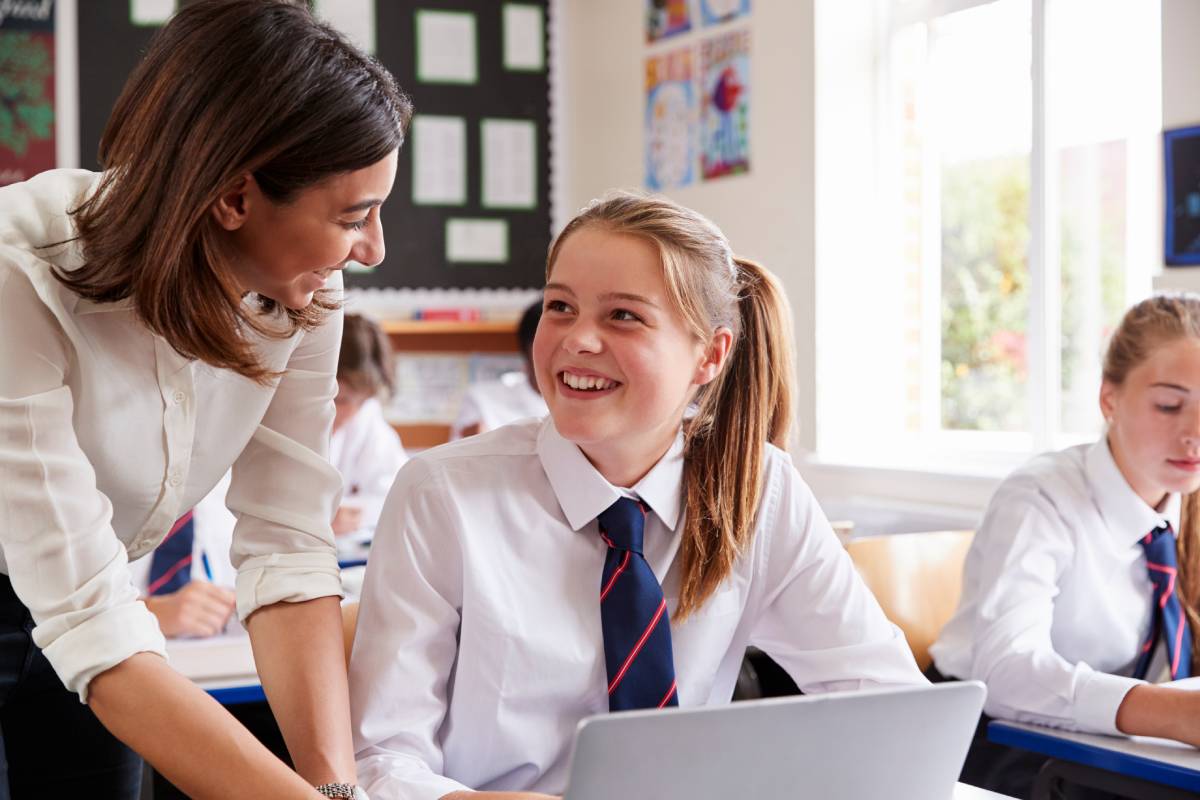
Artificial intelligence has made its way into classrooms faster than almost any previous technology. From automated feedback tools to lesson-planning assistants, AI is being used to boost productivity and personalise learning. But as with any tool, timing and purpose matter.

A growing body of research suggests that while AI can strengthen learning when used carefully, it can also undermine it if overused. The key lies in how it interacts with one of the brain’s most important systems: working memory.

Read More

The Hidden Cost of Isolation Rooms

Rethinking Internal Exclusion: The Hidden Cost of Isolation Rooms

Isolation rooms, sometimes called “reset rooms” or “calm spaces”, are now a common feature in many secondary schools. They’re designed to maintain classroom order and allow lessons to continue without disruption. But a new study suggests that this approach may be causing more harm than good, particularly for the most vulnerable learners.

At Strategy Education, we support schools and teachers across the country. Behaviour management is one of the toughest parts of school life, and it’s easy to see why internal exclusion feels like a practical option. Yet growing evidence suggests it can damage relationships, reduce a sense of belonging, and widen existing inequalities.

Read More

Beyond the Shouting

Beyond the Shouting: Why Calm Classrooms Lead to Better Learning

Every teacher has had moments where emotions run high. A lesson unravels, students push boundaries, and the volume in the room seems to escalate by the second. In these moments, the instinct to raise your voice can feel natural and even necessary. But neuroscience tells us a different story.

At Strategy Education, we support teachers and school leaders across the UK, and part of that support includes advocating for approaches grounded in both research and real classroom experience. One area gaining more attention is the link between emotional safety and effective learning.

Read More

Rethinking Teaching in Further Education

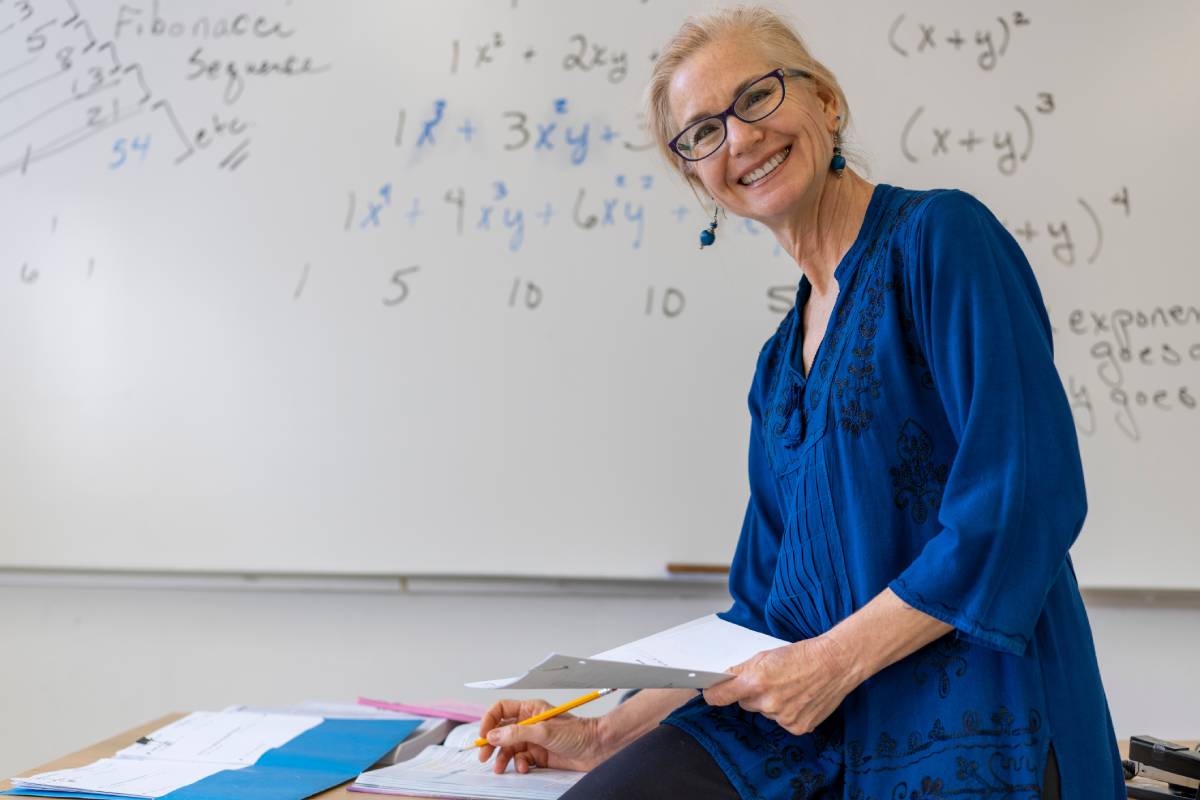
Further Education (FE) is one of the most diverse and ever-changing parts of the education system. Yet it is often overlooked at the national level and in media coverage. At Strategy Education, we know the sector’s impact is enormous: helping learners to develop practical skills, confidence and independence long after school.

Across England, colleges and training providers are working with students from every background, offering everything from A‑levels and T‑Levels to vocational qualifications and adult learning. More than 1.7 million students study in Further Education each year, supported by dedicated teachers who combine subject expertise with life experience.

Read More

Beyond Routines in School

Beyond Routines: Why Memory Matters as Much as Behaviour in the Classroom

When the new school year begins, the message to teachers, especially those just starting out, is consistent: get behaviour right from day one. This advice is sound. Clear routines and consistent expectations create safety and stability. But if we stop there, we risk overlooking something even more fundamental: how students actually learn.

We have seen time and again that behaviour and learning are not separate priorities; they are deeply connected. When we understand the limits of working memory and how attention functions, we can create classrooms where good behaviour flows naturally from effective learning.

Read More

Teacher Voice in Education

Teacher Voice in Education Research: Why It Matters for Schools and Recruitment

Every September seems to bring something new. A change in policy, a different assessment system, or a shiny new set of resources. Teachers are expected to adapt quickly, but the truth is, many of these changes are made without asking the people who actually use them.

I have lost count of the number of times I have sat in meetings and thought, If only someone had asked a classroom teacher first. Teachers know which ideas work in practice and which will add hours to the workload for very little gain. When that voice is missing, research can feel disconnected from real school life.

Read More

Cognitive Science Matters in Today’s Classrooms

Why Understanding Cognitive Science Matters in Today’s Classrooms

As classroom demands evolve, teachers aren’t just educators, they’re behaviour managers, pastoral leaders, and role models. But how many teachers feel confident explaining how learning actually happens in the brain?

At Strategy Education, we often work with schools seeking teachers who not only deliver lessons but also understand the science of learning. It’s an area too often overlooked in both recruitment and professional development.

Read More

Could Educational Psychotherapy Be the Missing Link?

Supporting Disruptive Behaviour and Emotional Barriers to Learning: Could Educational Psychotherapy Be the Missing Link?

In classrooms across the UK, teachers encounter far more than academic challenges. Students arrive at school carrying invisible burdens such as anxiety, low self-esteem and trauma, that can manifest as disengagement or disruptive behaviour.

Behind the visible behaviours often lie emotional barriers to learning, yet many teachers feel unprepared to respond in a way that goes beyond standard behaviour policies.

According to recent statistics, one-third of pupils in England don’t meet expected standards by the end of primary school. For disadvantaged children, that figure approaches half. Referrals to mental health services have increased by 35% in just one year, with many young people facing long waits for support.

Read More