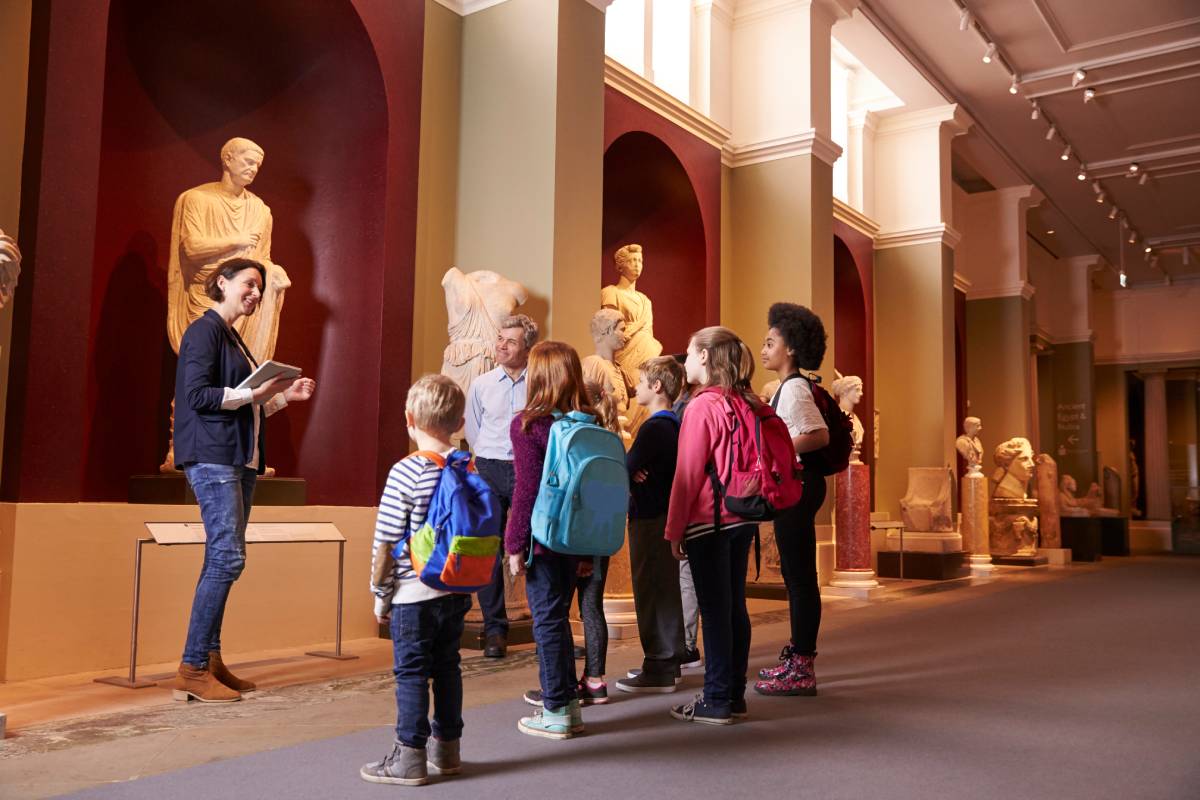
Ask a group of adults about their school days and there’s a good chance they’ll remember a school trip. Perhaps it was a visit to a museum, a residential adventure or a history excursion abroad. The details of everyday lessons may have faded, but those experiences often remain remarkably clear.
For secondary school pupils, educational visits offer opportunities that extend far beyond the curriculum. Yet with stretched budgets, increasing workloads and growing pressure on schools, organising them can feel harder than ever.
So, are school trips still worth the effort?
Learning That Brings Subjects to Life
There are some things that textbooks and classroom presentations simply cannot replicate.
Standing in a historic location, watching a live theatre performance or experiencing another culture can give pupils a completely different perspective on what they’re learning.
For example, a history lesson about the Second World War takes on new meaning when pupils visit a memorial or museum. Geography becomes more tangible when students explore landscapes and environments they’ve previously only studied in photographs.
These experiences help pupils make connections between classroom knowledge and the wider world, often sparking curiosity that continues long after the visit.
Developing Confidence and Independence
As Teacher Toolkit’s article on secondary school trips highlights, educational visits can build confidence, independence and stronger relationships alongside academic learning.
For some young people, a school trip may be their first opportunity to travel away from home, navigate an unfamiliar environment or take responsibility for themselves in a different setting.
Working with classmates outside familiar routines can also reveal strengths that aren’t always apparent in lessons.
The quiet pupil who rarely contributes in class might demonstrate excellent leadership during a group activity. Another may discover a talent or interest that changes their aspirations.
These moments matter.
The Challenges Facing Schools
Of course, organising a successful school trip requires considerable planning.
Teachers and school leaders must consider:
- Affordability for families and equitable access
- Risk assessments, safeguarding and supervision
- Staffing arrangements and classroom cover
- Transport, accommodation and accessibility
- Communication with parents and carers
With school budgets under pressure, even relatively modest excursions can become difficult to justify.
TeacherToolkit also raises an important point about workload. The educational value of a trip should not come at the expense of unreasonable additional demands on already busy teachers.
Making Every Trip Count
Rather than treating school trips as optional extras, schools should consider how they support wider educational priorities.
A carefully planned visit should have a clear purpose, whether that’s reinforcing curriculum knowledge, encouraging independence or broadening pupils’ experiences.
Accessibility matters too. Schools need to consider how financial circumstances, SEND requirements and individual anxieties might prevent some pupils from participating.
Planning early, involving families and seeking appropriate support can help make educational visits more manageable and inclusive.
Experiences That Stay with Pupils
School trips are rarely remembered for their learning objectives or carefully completed risk assessments. Pupils remember the excitement of discovering something new, the friendships they strengthened and the confidence they gained.
For teachers, those experiences can also provide valuable opportunities to see pupils differently and build positive relationships.
At Strategy Education, we recognise that education involves much more than academic achievement. Helping young people develop curiosity, confidence and independence is an important part of preparing them for life beyond school.
School trips may require considerable effort, but when thoughtfully planned, their benefits can last far longer than the journey home.